
Ayman Abouhend writes: will startups lead the next wave of growth?
In a column for Al Borsa, Ayman Abouhend, Chief Investment Officer of Significa Capital, asks whether startups can offset slowing traditional sectors in Egypt, and sets out five recommendations to support them.
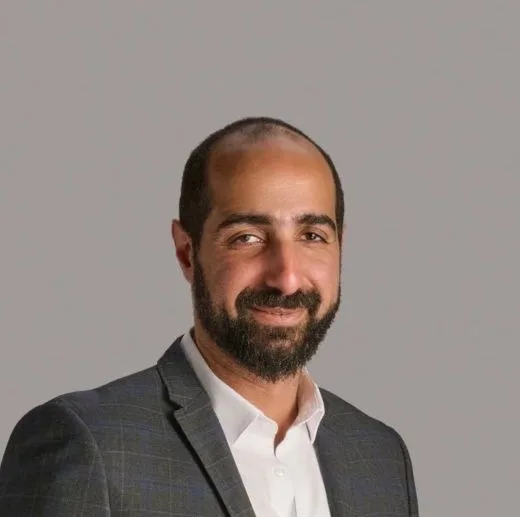
On 23 June 2025, Al Borsa (البورصة) published a column by Ayman Abouhend, Chief Investment Officer of Significa Capital: أيمن أبوهند يكتب: هل تقود الشركات الناشئة موجة النمو المقبلة؟ ("Will startups lead the next wave of growth?"). This is a summary of his argument.
The case for startups
The column looks at startups as a way to offset slowing traditional sectors, such as real estate, manufacturing and tourism, while Egypt works its way out of inflation.
Where the ecosystem stands
- Funding. Citing MAGNiTT and GAFI updates, the column notes that startup funding fell to about $461m in 2024 from $545m in 2023, and reached about $226m in the first half of 2025.
- Red tape. Citing World Bank data, the column notes that registering a company took 18 days in Egypt in 2024, against 6 in the UAE.
- Dollars. Access to dollars still pushes some founders to register in Dubai or Singapore.
- Governance. Failures such as Capiter, Brimore and Elves show gaps in governance and transparency.
- Exits. The column draws lessons from the US exit market, citing more than 1,000 startup acquisitions a year there against about 12 in Egypt.
Signs of recovery
The column points to Gulf investment, university partnerships, a deep-tech accelerator, pension funds and insurers starting small allocations to local VC funds, and ITIDA export incentives. It cites local successes such as Instabug and MaxAB, and, citing Flat6Labs, notes that women are about 24% of Egyptian startup founders.
Five recommendations
- Half-yearly operating and funding disclosures to investors.
- Capital-gains tax exemptions on the sale of startup stakes.
- A small-cap exchange for tech companies, with lighter listing rules.
- Public-private co-investment to reduce risk for foreign investors.
- Dollar funding lines through Gulf funds and development institutions such as IFC and EBRD.
Published in
Eighteen years in investment management, M&A and financial technology. A CFA Charterholder, he leads investment analysis, valuation and fund structuring across Significa's advisory and investment practices, and teaches valuation and fund structures in the CVC Builder curriculum. Concurrently Chief M&A and Growth Officer at AlternativeSoft in London; co-founder of MarkeScope, which developed the first stock-screening solution to incorporate risk measures. Treasurer of CFA Society Egypt; BSc Electrical, Electronics and Communications Engineering, Cairo University.